Industry united in frustration as Stormont hears stark cost of inaction on wastewater constraint
2 July 2026 Business Environment Infrastructure Housing
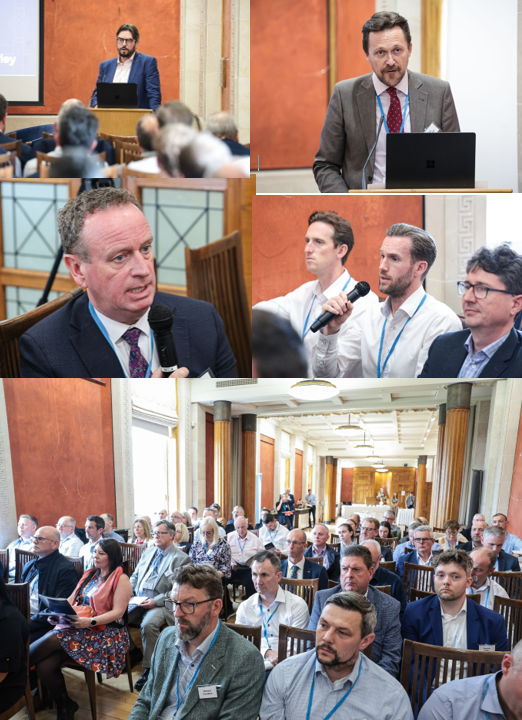
Industry leaders, MLAs and key stakeholders gathered in the Long Gallery at Parliament Buildings yesterday for the launch of a major new report warning that escalating infrastructure constraints are now a critical brake on housing delivery, investment and economic growth across Northern Ireland.
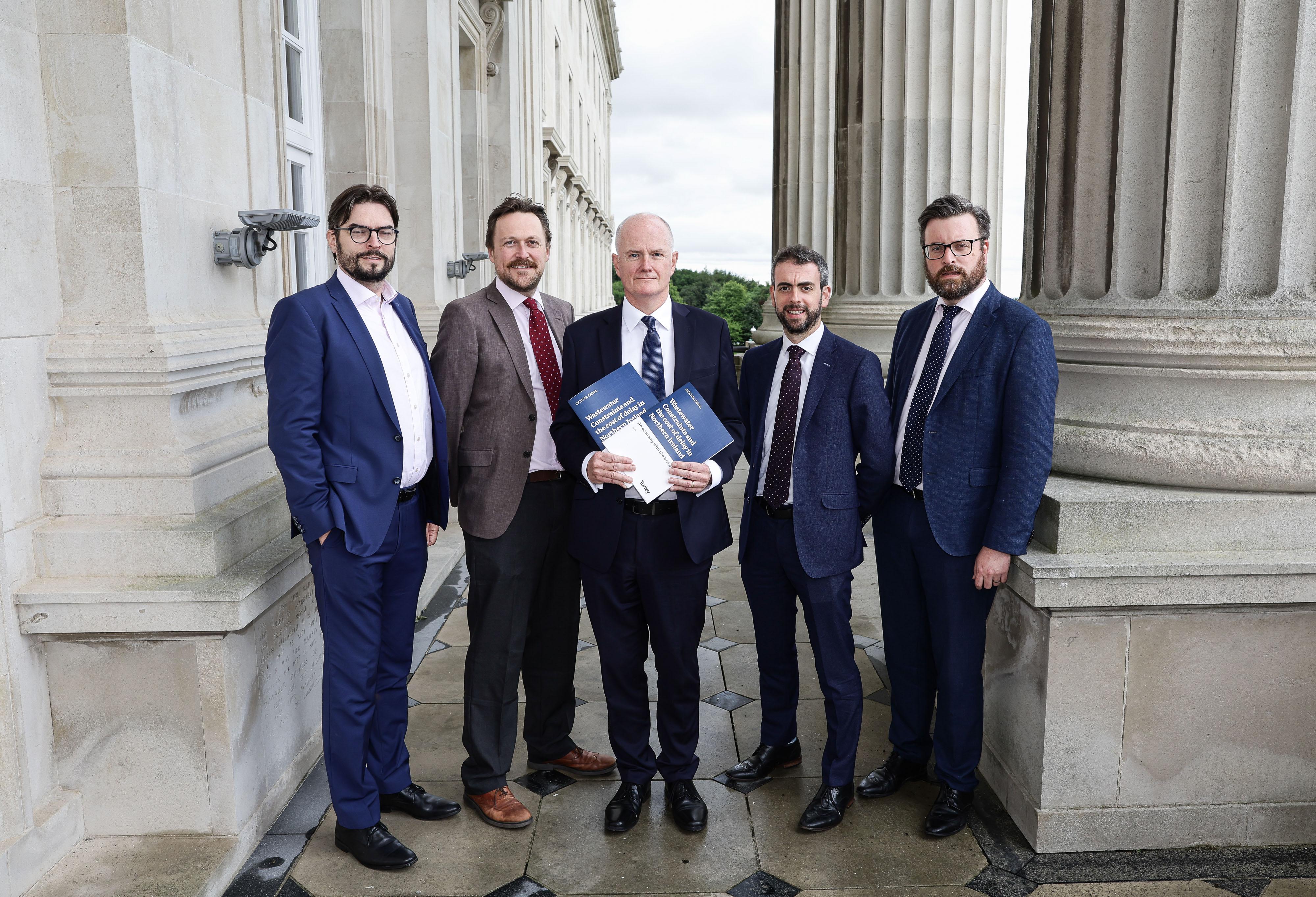
Organised by the Wastewater Infrastructure Group, of which the CEF is a leading member, the event brought together representatives from across construction, housing, manufacturing, retail and the wider business community, alongside MLAs from all five main political parties.
The new report, Wastewater Constraints and the Cost of Delay in Northern Ireland: An Economy with the Brakes On, warns that if current constraints continue, Northern Ireland’s economy could be £10.9 billion smaller in annual GVA terms by 2040, with stalled investment, delayed projects and constrained growth across multiple sectors.
Around 55,000 homes are currently impeded by wastewater capacity constraints, at a time when housing delivery has fallen to critically low levels against rising demand, homelessness is at record levels, and rents continue to rise.
Housing delivery under increasing pressure
Opening the event, Peter Martin MLA welcomed attendees and highlighted the scale of the challenge facing infrastructure delivery.
CEF Chief Executive Mark Spence then highlighted the continued decline in housing delivery, warning that wastewater capacity constraints are now a defining factor limiting supply at a time of acute and growing need.
He noted that the impact is increasingly visible on the ground, with stalled schemes, delayed investment decisions and direct impacts on housing delivery, investment and wider economic growth.
He also warned that future generations will judge decisions taken now on critical infrastructure funding, adding that given the scale of available evidence, there will be no justification for inaction if the current trajectory continues.
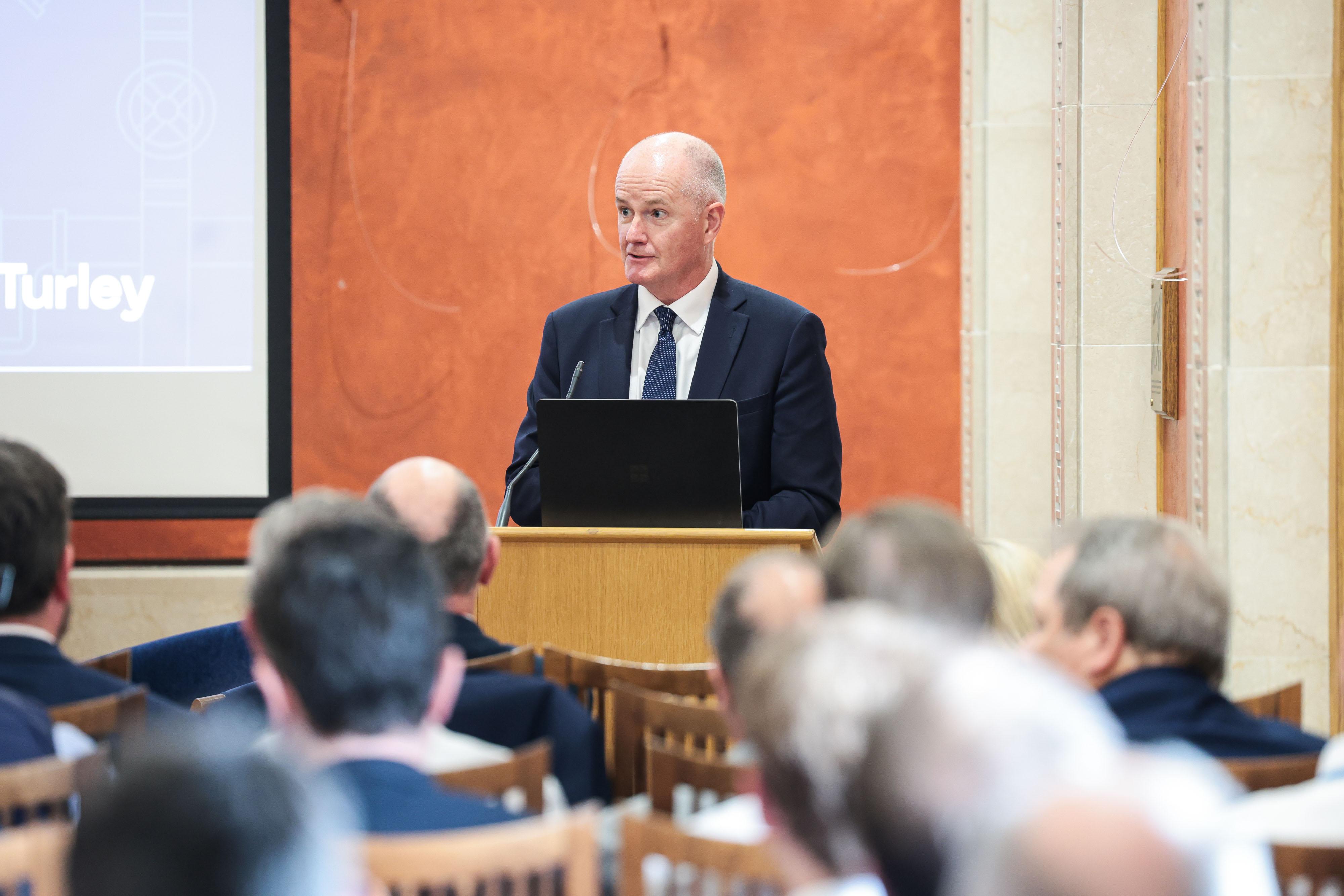
Andrew Webb, Managing Director, Economics at OCO Global, presented the report’s modelling, outlining the long-term cost of continued underinvestment and constrained capacity.
John Davison, Director of Strategic Communications at Turley, set out case studies showing how wastewater constraints are already delaying housing and construction projects across multiple locations in Northern Ireland, with associated impacts on jobs and investment.
The event concluded with a cross-party panel discussion featuring Peter Martin MLA (DUP), Maolíosa McHugh MLA (Sinn Féin), Peter McReynolds MLA (Alliance), Diana Armstrong MLA (UUP) and Justin McNulty MLA (SDLP), chaired by Stuart Anderson, Director of Public Affairs and International Relations at NI Chamber.

Industry frustration over pace of progress
Questions from the floor reflected a clear and shared frustration across industry at the continued lack of progress in addressing wastewater capacity constraints.
CEF members, alongside representatives from housing, manufacturing and wider business organisations, including Stephen Kelly, Chief Executive of Manufacturing NI, highlighted the growing impact on job creation, rising house prices and spiralling rents.
The loss of jobs, investment and economic opportunity was raised, with contributors noting that while solutions are available, the pace of political action has not matched the scale of the challenge.
Concerns were also raised that ongoing uncertainty is increasingly influencing investment decisions, with homebuilders now exploring alternative markets due to the growing crisis locally.
While MLAs engaged constructively throughout the discussion, attendees noted a persistent gap between recognition of the problem and the delivery mechanisms required to address it at scale.
The absence of the Minister for Infrastructure was also noted.
Delivery gap widening
The message from yesterday’s event was clear: wastewater capacity constraints are directly shaping the trajectory of housing delivery in Northern Ireland and the wider economy, with consequences that are already unfolding.
While workable, progressive solutions exist, there is now a clear need for political action and a delivery framework to match the scale of the challenge.
Read the report here.